
 1800 927 927
 Contact Us
 Find a Broker
In this article:
What Today’s Decision Means for Borrowers and the Property Market
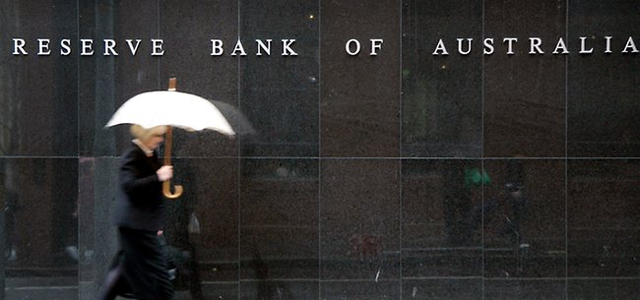
The Reserve Bank of Australia has lifted the official cash rate by 0.25% to 3.85%, delivering its first rate increase of 2026.
The decision reflects the RBA’s growing concern that inflation remains too high and too persistent, despite earlier signs it was easing. For borrowers, it means higher repayments and a more cautious start to the year.
The Board’s statement read:
“While inflation has fallen substantially since its peak in 2022, it picked up materially in the second half of 2025. The Board has been closely monitoring the economy and judges that some of the increase in inflation reflects greater capacity pressures. As a result, the Board considers that inflation is likely to remain above target for some time.”
The Hip Pocket Hit
If you’re on a variable rate mortgage, this decision could impact your monthly budget.
Based on the latest data, if your lender passes this full 0.25% hike on to you, here is the cost for a typical owner-occupier with 25 years left on their loan:
| Loan size | 0.25%-point hike | New repayment |
| $500,000 | +$75 | $3,151 |
| $600,000 | +$90 | $3,782 |
| $700,000 | +$105 | $4,412 |
| $800,000 | +$120 | $5,042 |
| $900,000 | +$135 | $5,673 |
| $1 million | +$150 | $6,303 |
Source: Canstar. Notes: based on an owner-occupier paying principal and interest with 25 years remaining in Feb 2026 at the RBA average existing customer variable rate. Calculations assume banks pass on each hike in full to existing variable customers the month after.
While this might not sound like a huge increase on its own, when you combine it with rising costs of everyday essentials like groceries, fuel, insurances and electricity, it’s another strain on the household budget that many families didn’t need.
Why the RBA Moved Today
In recent weeks, inflation has re-emerged as the central issue shaping the direction of interest rates for 2026.
On the latest Property Insights Economic Update, Mark Bouris said the data had shifted the conversation quickly.
“In a short space of time, we’ve gone from talking about rate cuts to talking about whether rates might need to go higher.”
Stephen Koukoulas explained that while parts of the economy remain under pressure, inflation has stayed stubborn.
“From the RBA’s perspective, inflation hasn’t fallen fast enough for them to feel comfortable easing policy.”
Today’s decision confirms the Bank is prioritising inflation control, even at the risk of adding pressure to household budgets.
So what are the numbers that matter?
The Australian Bureau of Statistics ABS releases a mountain of quarterly data that is relied on by decision makers, and one fact stands out clearly: inflation is running hotter than the RBA predicted.
Back in November, the RBA was banking on headline inflation (or CPI) hitting 3.3% and the trimmed mean at 3.2% in the year to the December quarter. However, the real-world numbers told a different story, with the CPI climbing to 3.6% and the trimmed mean reaching 3.4%. It’s a clear sign that the road ahead might be a bit bumpier than the experts first thought.
As Mark Bouris put it: “People haven’t had prices come down. Inflation slowing just means prices are rising more slowly, not that life is getting cheaper.”
“Unfortunately, prices are rising again. The real concern is whether this rise in inflation is a one off or a trend that will continue.”
Will this Impact the Property Market?
According to the latest insights from Cotality, confidence in the property market is holding up surprisingly well.
Despite the uncertainty, nearly 87% of industry professionals still expect dwelling values to rise over the coming year. Why? Because we still don’t have enough houses for the people who want them. That supply-shortage could be putting a floor under prices.
Cotality’s Research Director however pointed out that the speculation surrounding a rate hiking cycle “has dented housing confidence.”
“A higher-for-longer interest rate setting, combined with renewed cost-of-living pressures and worsening affordability, appears to have taken some heat out of the market heading into 2026.”
What Happens Next
What Borrowers Should Do Now
If you have a mortgage or are planning to buy:
- Check whether your lender passes on today’s increase in full
- Check your rate. Lenders are still competing for good business, even in a rising market and a better deal might be a conversation away.
- Review your budget. An extra $100 or $200 a month needs to come from somewhere. Look at where your money is going.
- Talk to a broker. Our experienced mortgage brokers can look at your situation objectively and ensure you’re getting the best deal for your circumstances
We’re here to help you make sense of it. If you’re worried about what this hike does to your repayments or your borrowing power, reach out to your local Yellow Brick Road broker today. We’ll get you sorted.
