
 1800 927 927
 Contact Us
 Find a Broker
In this article:
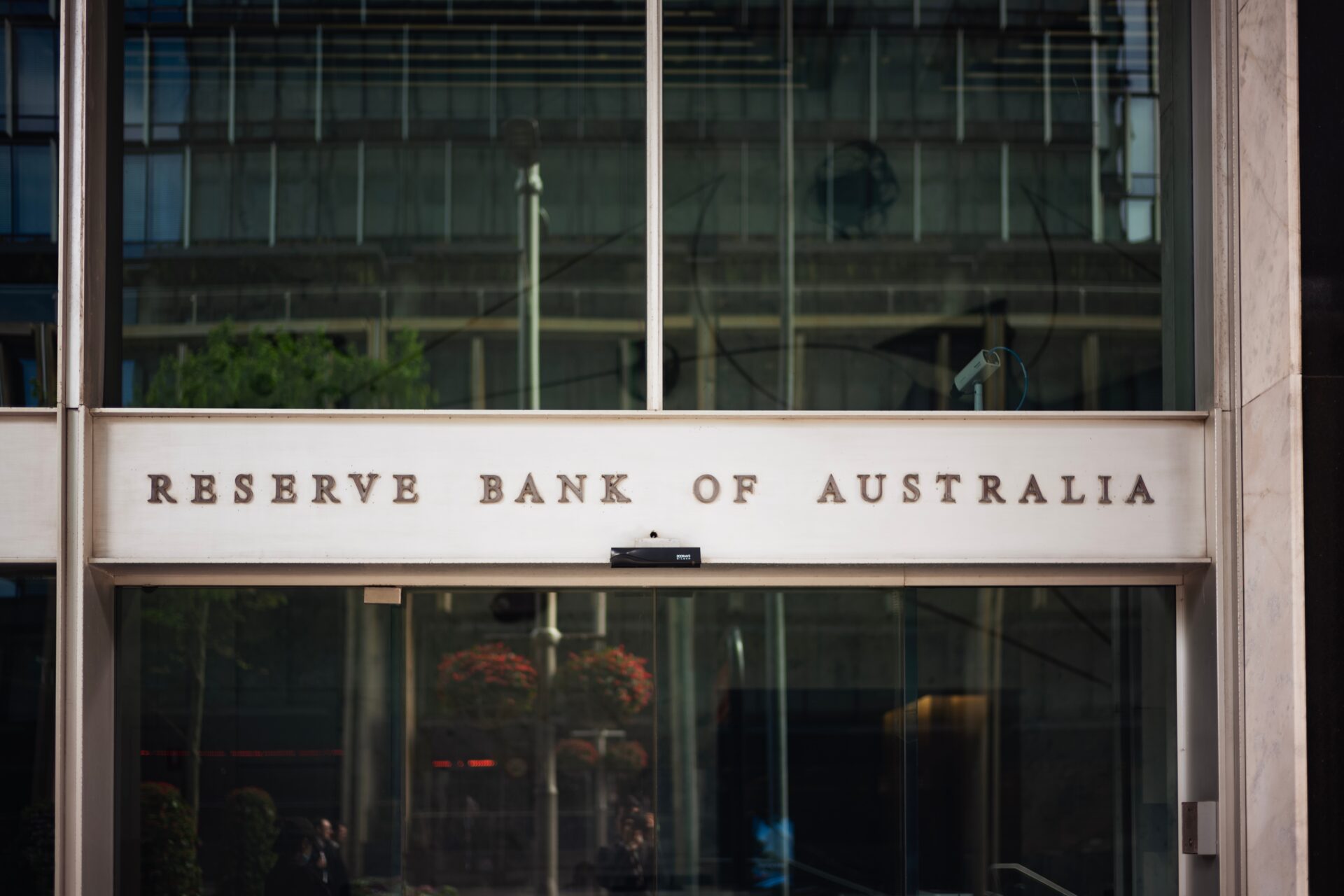
Three weeks ago the Reserve Bank lifted the cash rate to 4.60%, its fourth increase this cycle. The question now is whether the board goes again when it meets on Melbourne Cup Day.
The RBA’s Monetary Policy Board meets next Tuesday, 3 November, with the cash rate currently at 4.60%, one of the highest in the developed world. This is also a quarterly Statement on Monetary Policy meeting, so the board will release updated forecasts alongside its decision.
This morning’s inflation figures have raised the stakes. The Australian Bureau of Statistics’ September quarter data showed headline inflation climbing to 4.3%, up from 4.0% in August, while the trimmed mean, the RBA’s preferred underlying measure, lifted to 3.7%. Both numbers came in hotter than economists had forecast.
So will the board move again, or is this where it draws the line? Here’s what’s behind the numbers, and what it could mean for your repayments.
Key takeaways
- The RBA holds its November meeting on Tuesday 3 November, with the cash rate currently at 4.60%.
- September quarter inflation, released this morning, came in hotter than expected: headline 4.3%, trimmed mean 3.7%.
- Unemployment has climbed to 4.7%, a five-year high, giving the board a genuine reason to pause.
- Bank forecasts are split. Westpac and ANZ expect another hike; Commonwealth Bank and NAB think September was the last move this year.
- If you’re concerned about what happens next, now is a good time to check whether your home loan is still competitive.
Inflation has taken a turn
Inflation remains the single biggest influence on every RBA decision, and this morning’s figures have caught markets off guard.
The Australian Bureau of Statistics’ September quarter Consumer Price Index showed headline inflation at 4.3% over the year, up from 4.0% in August and above the 4.2% economists had pencilled in. The trimmed mean, which strips out the most volatile price moves and is the figure the RBA watches most closely, rose to 3.7% annually, also above forecasts. Both remain well clear of the RBA’s 2 to 3% target band.
Speaking ahead of the release, Governor Michele Bullock flagged that inflation was likely to run above the board’s August forecasts, pointing to higher energy prices flowing from the Middle East conflict and a labour market that remains tighter than the unemployment rate alone suggests.
This is the first quarterly inflation read since the board’s September hike, and it carries more weight with the RBA than the monthly indicator. Markets responded by lifting the odds of a November move, alongside buying in the Australian dollar.
What our experts are saying
On the latest episode of Property Insights, recorded in the days before this morning’s inflation data, Mark Bouris and economist Stephen Koukoulas worked through the case for and against another hike.
The RBA has never, and I repeat, never hiked interest rates when the unemployment rate has increased by that amount in an eight-month period.
Stephen Koukoulas, referring to unemployment’s rise from 4.1% in January to 4.7% in September
Koukoulas pointed to a run of weak data since the September meeting, including consumer sentiment at close to a 50-year low, business confidence deeply negative, and house prices falling at an accelerating pace, as reasons the board could afford to hold its nerve.
There’s enough of these beads that have moved to the middle, a couple have moved to the far side, that say to me, we can afford to hold rates.
Stephen Koukoulas, on his reading of the RBA’s checklist ahead of November
Mark Bouris put it more bluntly, noting just how quickly sentiment had shifted in the fortnight before recording, including NAB’s announcement that it would cut up to 2,500 jobs.
If you had asked me a month ago, I would’ve said to you that she probably will put ’em up in the November meeting. But so much has happened in the last two weeks.
Mark Bouris, host of Property Insights
It’s worth noting that conversation happened before this morning’s hotter-than-expected inflation print. That single number is exactly the kind of data point that can tip a finely balanced board, and it has already pushed market pricing further towards a hike since the episode was recorded.
What the major banks are predicting
Unlike September, when all four majors fell into line behind a hike, the big banks are currently split on November.
Westpac and ANZ are both forecasting another 0.25% increase, which would take the cash rate to 4.85%, the highest level since 2008. Commonwealth Bank and NAB, by contrast, think September was the last move of the cycle and have no further rise pencilled in for this year.
| Bank | November RBA Decision | Current outlook |
| Commonwealth Bank | Hold | No further rise pencilled in for 2026. Cash rate expected to stay at 4.60% into next year. |
| Westpac | Hike (+0.25%) | Cash rate expected to reach 4.85%, with cuts pushed out to mid-2027. |
| NAB | Hold | No further rise pencilled in for 2026. Cash rate expected to stay at 4.60% into next year. |
| ANZ | Hike (+0.25%) | Cash rate expected to reach 4.85% by the end of 2026, the highest since 2008. |
Money markets have been moving in the banks’ direction too. As at yesterday afternoon, futures pricing implied a little over a 50% chance of a hike on Melbourne Cup Day, up from closer to one in three just a week earlier, and that was before this morning’s inflation surprise.
What this means for loan repayments
If the RBA lifts the cash rate again next week, borrowers on a variable rate should expect another increase to their minimum home loan repayments, on top of four rises already passed on this cycle.
If the board holds instead, repayments won’t fall. The cash rate would simply stay at its current level, already one of the highest Australia has seen in well over a decade, while the RBA waits for more data before its next move in December or February.
Either way, borrowers are being asked to absorb a higher cost of living with less room to move, particularly households who took out a loan when rates were near record lows. Rather than waiting to see what the board decides, many borrowers may benefit from finding out now whether they’re still on a competitive rate.
What can you do if you’re concerned about repayments?
- Know your current rate. Check your latest loan statement so you know exactly what interest rate you’re paying today.
- Compare your options. Lenders continue to compete for quality borrowers, and refinancing may help reduce your repayments regardless of which way the cash rate moves.
- Speak with someone who compares lenders. A Yellow Brick Road broker can compare your loan across a wide panel of lenders and help you understand whether refinancing could put you in a better position.
With the outcome of Melbourne Cup Day genuinely uncertain, now is a good time to make sure your home loan is working as hard as it can for you.
Start at ybr.com.au/refinance-home-loan, or speak with your local Yellow Brick Road broker today.
