
 1800 927 927
 Contact Us
 Find a Broker
In this article:
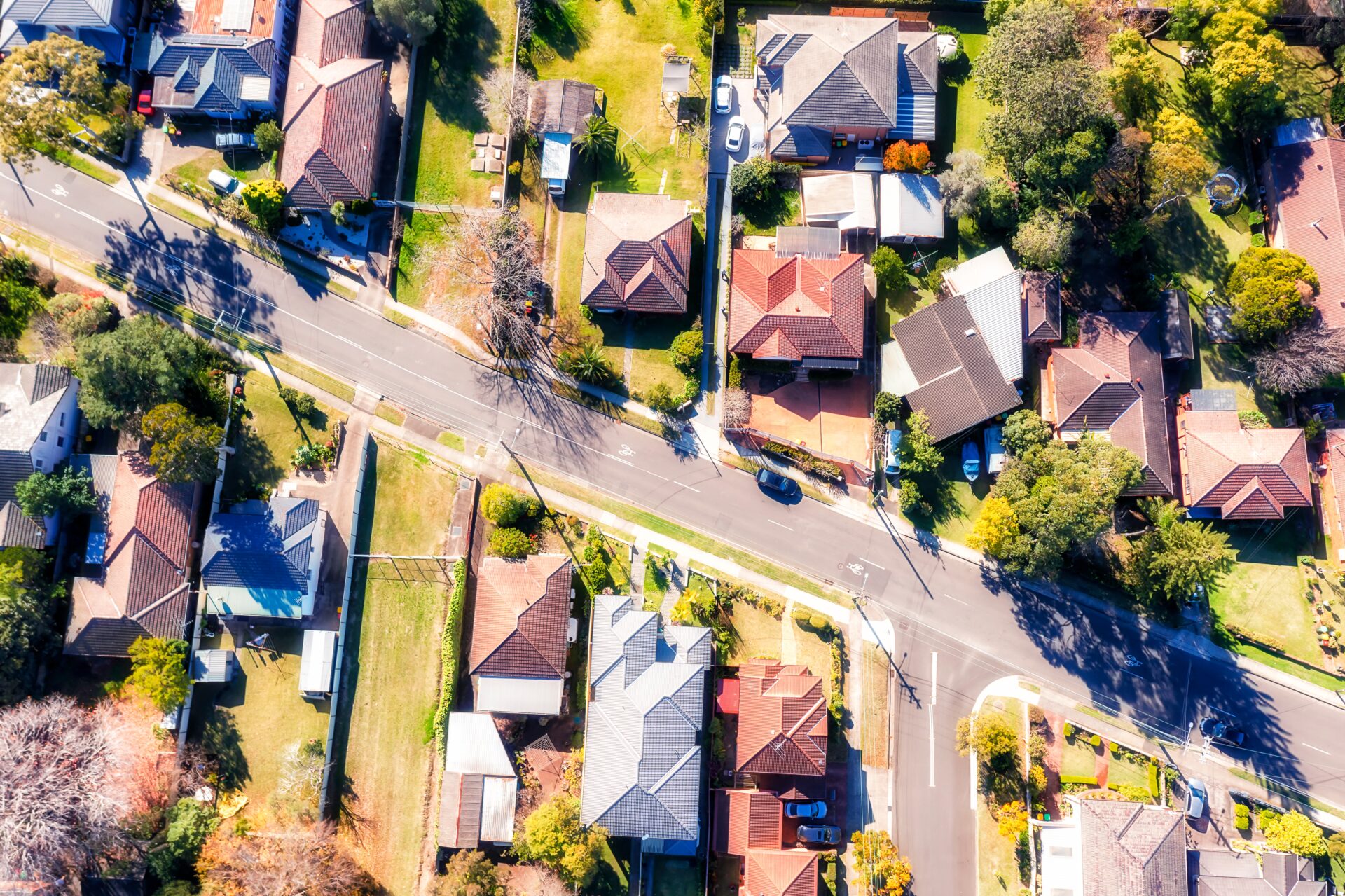
The Reserve Bank of Australia left the cash rate on hold at 4.35%, ending a run of three straight hikes through 2026.
It is the outcome the market had been leaning towards, and the one Mark Bouris predicted on Property Insights earlier this week.
Why the RBA kept rates on hold in June
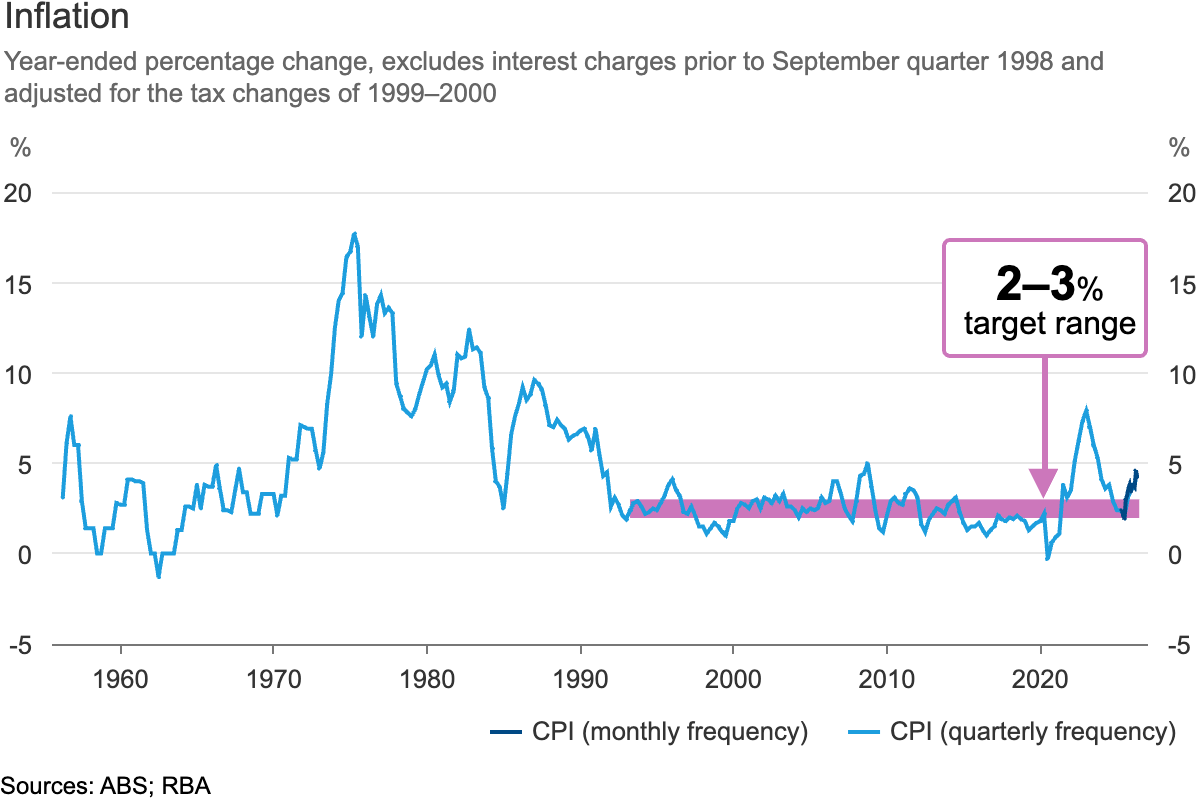
Perhaps unsurprisingly, inflation seems to have been a key consideration.
The Board’s Statement immediately pointed out that “headline and underlying inflation are still too high.”
“As expected, the disruption to global oil supply is having an impact on inflation. Higher fuel prices have added directly to inflation and there are indications that this is passing through to the prices of other goods and services, so inflation is likely to remain high for some time. This inflation impulse is in addition to the high inflation recorded around the start of 2026, reflecting capacity pressures in the economy.”
The next quarterly inflation read, the figure the Board weighs most heavily, does not land until after this meeting. That left the RBA light on fresh information.
On Property Insights, economist Stephen Koukoulas made the point that there was little new to act on: “There’s a few little bits and pieces, but nothing. Not inflation, not jobs. There’s nothing to really go on.”
The most recent inflation figures gave the Board some room to wait. The ABS reported on 28 May that annual CPI eased to 4.2% in the year to April, down from 4.6%. But that headline number helped flatter the picture.
The housing market has started to turn
Higher rates are now showing up in property values, and the split across the country is becoming hard to ignore.
Cotality’s Monthly Home Value Index reported that nationally, home values were flat in May, recording no growth at all for the month. The combined capitals actually slipped -0.1%.
The cooling is sharpest in Australia’s two biggest cities. Sydney values fell 0.9% in May and are down 2.1% over the quarter, leaving the city 2.1% below its November peak.
Melbourne dropped 0.8% in the month and 2.3% over the quarter, now sitting 2.9% below its own cyclical high. Buyers in these markets generally cannot borrow as much as they could a year ago, and that is likely contributing to reduced price growth.
Cotality’s Research Director Tim Lawless stated that this “multi-speed conditions” across Australia’s property markets have been a “defining feature” of the past five years.
“We are continuing to see multi-speed conditions across Australia’s housing sector, with Perth and Melbourne at opposite ends of the spectrum,” Lawless said.
“The past five years have seen these cities diverge sharply, with Perth values up a stunning 91.4% while Melbourne home values are only 3.3% higher since May 2021.”
“While the speed of value change remains very different from city to city, the direction is becoming more consistent, with most markets losing momentum as demand-side headwinds intensify.”
Sales activity tells the same story. Home sales are tracking 2.2% lower than a year ago nationally, but the falls are steepest where values are softest. Sydney sales are down 17% and Melbourne down 14.2% on year-ago levels. Auction clearance rates slipped to around 50% in capital cities, another sign buyers are stepping back.
But this isn’t a national downturn. The mid-sized capitals are still powering ahead. Perth rose 1.5% in May and is up a remarkable 25.8% over the year. Brisbane lifted 0.9% for the month and 19.1% annually, while Darwin gained 1.5% in May and 20.3% over the year. Tight supply and better affordability are keeping these markets firm, even with rates rising.
What this means for mortgage repayments
To put the cumulative pressure into perspective, Canstar’s analysis of the three 2026 rate hikes shows just how much the increases have added to monthly repayments across different loan sizes:
| Loan size | Total increase to monthly repayment | Added per year |
| $600,000 |
+$272 |
+$3,264 |
| $800,000 | +$363 |
+$4,356 |
| $1,000,000 | +$453 |
+$5,436 |
Source: Canstar. Based on an owner-occupier paying principal and interest with 25 years remaining at the RBA average existing customer variable rate. Calculations assume banks pass on each hike in full to existing variable customers the month after each decision. This does not factor in fees. This information is general and has not taken into account your objectives, financial situation or needs.
Across a full year, Canstar estimates that on a typical $600,000 mortgage, the additional repayments add up to almost $3,300 more than if there had been no hikes in 2026. As Canstar’s Data Insights Director Sally Tindall described it, borrowers are now being asked to “hand over all three cash rate cuts from 2025”.
A next step
Whether rates move again this year or not, there are a few practical steps worth taking today:
-
- Know your current rate: Many borrowers know their repayment amount, but not the actual interest rate they’re paying. Your current rate is the starting point for any meaningful comparison.
-
- Check when you last reviewed your loan: If it’s been more than 12 months since you reviewed your home loan, there’s a good chance the market has changed around you. Even when rates are on hold, lenders continue to adjust pricing, products and policies.
-
- Understand your options before you need them: Whether you’re looking to reduce repayments, consolidate debt, access equity or pay down your loan sooner, understanding your options is a great place to start.
Taking a few minutes to understand where your loan stands today could make a meaningful difference over the life of your mortgage.
If you’d like to see whether your current loan is still competitive, speak to a YBR broker or learn more about your refinancing options, below.
